

Upcoming course information
| Start date | 20 August 2025 |
|---|---|
| Dates and times | 9.30 am – 4.30pm |
| Cost | $220 |
| Delivery | On Campus or Online |
| Commitment | 8 hours |
| Registrations close | 19 August |
About the course
New approaches to health services research: service mapping
Mapping health, disability and social services can provide critical information to help us make better informed decisions when planning health services. But how do we build and use these maps? Our expert presenters have extensive practical experience gathering, classifying, mapping and analysing Australian health and social care services, and population, social and demographic data, to assess and improve understanding of care services and their usage.
This course will introduce you to tools that can be used to map and classify health, disability and social services in your region, and show you how these can be used to provide better informed health policy and planning. It will demonstrate the practical skills required to classify and analyse interpret patterns of service provision using the DESDE system. DESDE has provided the building blocks of maps/atlases of health, disability and social services in 20 Australian health areas since 2014, and has been used in services research and planning in 35 countries at local, regional and national levels.
^Registrations close 9 June 2025, unless class capacity is reached prior to this date.
Who this course is for
- Those working in service policy and planning in public, NGO or private health and social sectors.
- Researchers in health, social services and service provision.
- Managers and leaders of NGOs, mental health peak bodies and carers organisations.
- Postgraduate students in health services research.


Learning Outcomes
You will learn:
- How to analyse and classify health, disability and social services using the DESDE service classification system.
- How to use the DESDE system in combination with other tools such as Geographic Information Systems, Integrated Alases of care and digital interactive mapping systems in mapping health, disability and social services to support better evidence-based decision making.
- How to use integrated atlas information and a mental health ecosystems research approach for better health policy and planning.
Course presenters
Learn from industry experts

Professor Luis Salvador Carulla
A Professor in mental health and Deputy Director of the Health Research Institute with the University of Canberra, Luis’ primary field of interest lies in decision support tools for the analysis of complex health systems and policy in public health. He has been advisor to Spanish governments, European Commission and the World Health Organisation, and coordinated the EC project eDESDE-LTC, mapping mental health services in over 30 health areas globally.

Dr Nasser Bagheri
An Associate Professor in spatial epidemiology and health service research dedicated to the visualisation of health care, its ecosystem and service patterns. His research in spatial epidemiology, geo-spatial analysis and modelling provides epidemiological evidence to support the implementation of better-informed policy and tailored interventions in the control of chronic diseases.
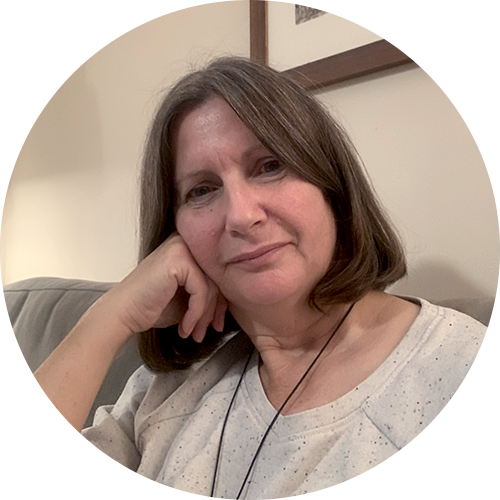
Mary Anne Furst
A Research Fellow with the University of Canberra’s Health Research Institute, Mary Anne applies a whole-systems approach to her chosen field of mental health ecosystems. Her evidence in the local context is applied to the analysis of complex interventions and geographic variations in patterns of care, and her findings employed in development and implementation of better-informed policy and practice in systems of service delivery.
Course Structure
Module 1
The Health Ecosystems Approach
Introduction to the Health Ecosystems Research approach and tools, and how they are relevant in decision making in health and social system planning
Module 2
Health Geography and spatial epidemiology
Spatial epidemiology; using Geographic Information Systems (GIS) and health geography in service mapping
Module 3
Integrated Atlases
An overview of service mapping using the HER approach-Introduction to Integrated Atlases of Care and the DESDE service mapping tool
Module 4
DESDE coding tool: practical demonstrations
Practical examples of, and exercises in, service coding and classification using the DESDE service classification system
Module 5
Implementation in local and regional policy and planning
How this approach has been implemented, and how it can be implemented, in local and regional policy and planning
Module 6
Closing session
Q and A, conclusion and close

After completion
Once you’ve finished the New approaches to health services research: service mapping and navigation short course, you will earn a certificate of completion from University of Canberra’s Faculty of Health, that you can share on your resume and LinkedIn profile.

Ready to apply
Are you ready to take your skills to the next level? Register today and study your way.
Register


UC acknowledges the Ngunnawal people, traditional custodians of the lands where Bruce campus is situated. We wish to acknowledge and respect their continuing culture and the contribution they make to the life of Canberra and the region. We also acknowledge all other First Nations Peoples on whose lands we gather.